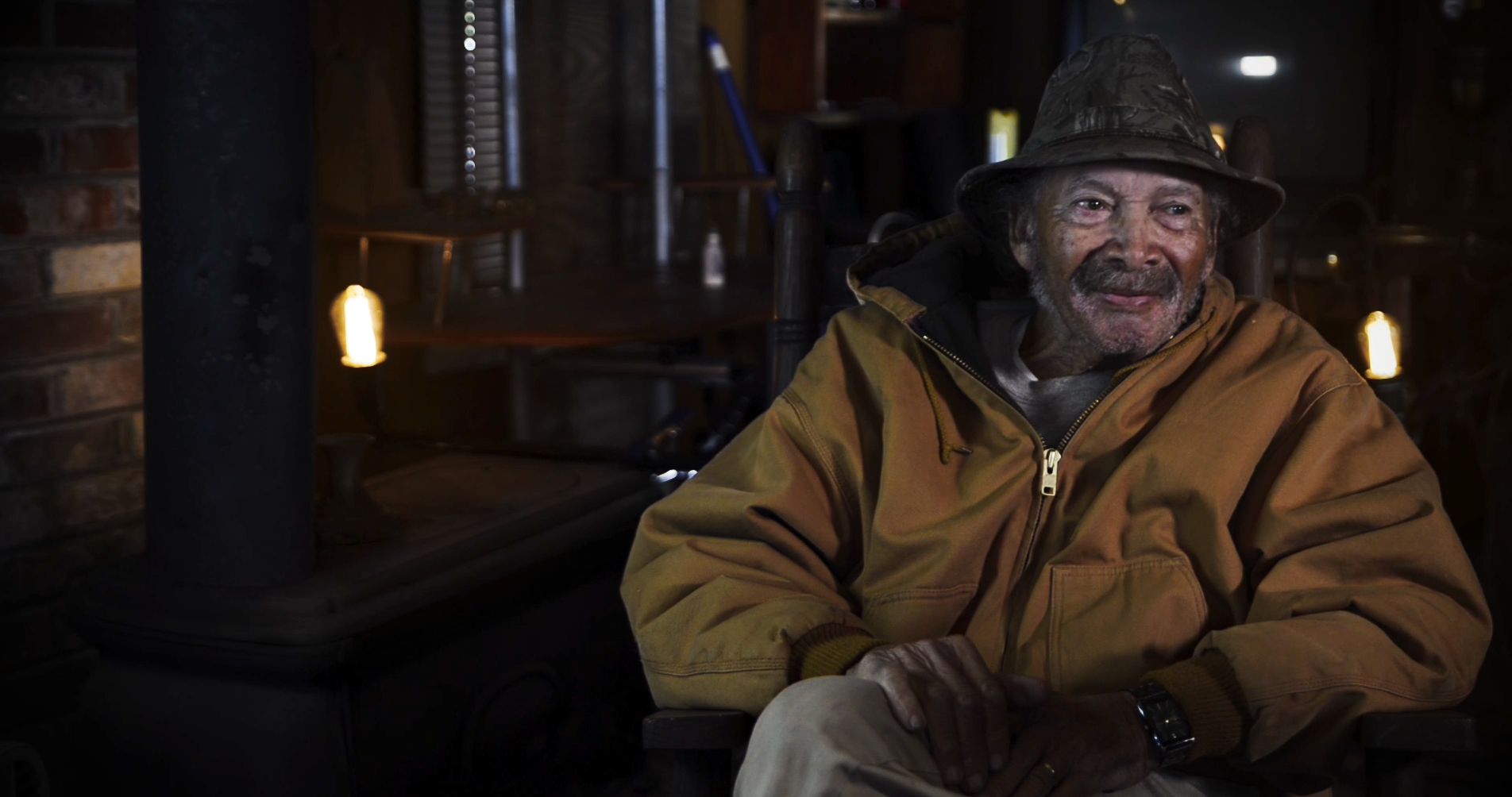
Mon Louis Island
A next step on the Mon Louis Island lead
This morning I moved the Mon Louis Island research from a promising lead toward a clearer path for viewing, permissions, and future outreach.
Read the updateSouth Alabama Creole documentary work
A body of documentary work preserving Gulf Coast Creole voices, public service, family land, language memory, and the histories that survived where public record fell silent.
What the work is protecting
This project grows from recorded testimony, community trust, and years of local documentary work. Some of the people who entrusted their stories to these recordings are no longer here to tell them again. Their voices remain, full of memory, humor, faith, courage, and love for the places they called home. I carry a responsibility to listen closely, preserve their words with care, and bring them forward within the larger story of South Alabama and the Gulf Coast.
Documentary body of work
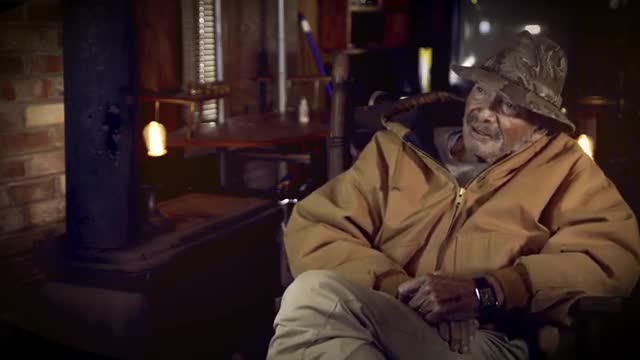
The emotional center
A raw, unedited, and uncut testimony from a South Alabama Creole elder whose memories move through cattle, hunting, brickwork, school, racism, faith, humor, and language.
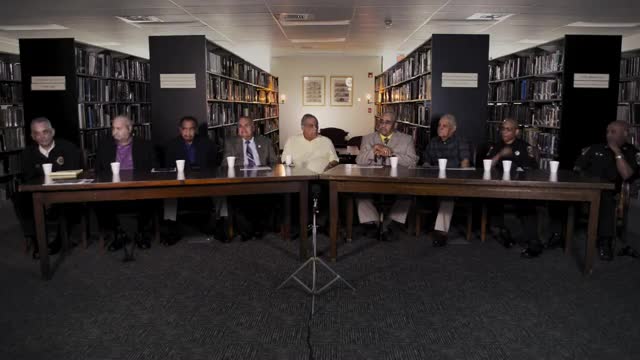
Public service and civil-rights memory
A record of Creole Fire Company No. 1 and the men whose service connects family history, segregation, integration, mentorship, discipline, and Mobile civic life.
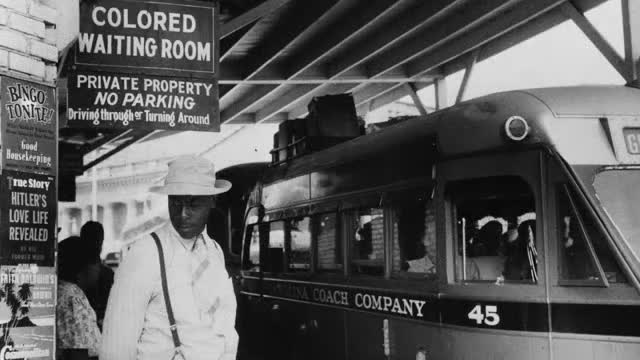
The proof of concept
A concise historical frame for South Alabama Creole identity, tracing colonial roots, land, race, Jim Crow, family memory, and survival through testimony.

Oyster boats loading the barge, The Reef, Mobile Bay, Alabama, 1911. Lewis Hine, Library of Congress.
Feature documentary in development
The feature asks what it means to be Creole in South Alabama, and what happens when a community's identity survives in families, churches, land, work, and memory while remaining largely unseen in public history.
From the Project Journal
Mon Louis Island
This morning I moved the Mon Louis Island research from a promising lead toward a clearer path for viewing, permissions, and future outreach.
Read the updateVoices
Returning to Lawrence and Robert Curtis’s recorded words is bringing the human purpose of this film into focus.
Read the updateMon Louis Island
Earlier oral histories and historical photographs offer a possible bridge between remembered places and the film.
Read the updateVoices of This Place
Some of the people who shared their stories are no longer with us. Their interviews remain, and carrying those voices into this documentary is deeply personal to me.
Meet the voicesProject plan
Organize existing interviews, transcripts, stills, research, and public-history material before more voices are lost.
Interview elders, descendants, firefighters, historians, genealogists, churches, archivists, and younger family members carrying the identity forward.
Connect land records, census labels, church records, newspapers, family photographs, fire department history, and community knowledge.
Create a substantial assembly or rough cut that moves between intimate testimony, public memory, place, archival record, and present-day meaning.
Complete the final cut, prepare the film for public exhibition, and pursue distribution through festivals, streaming platforms, educational partners, community screenings, and public-facing outlets so the story can reach audiences beyond South Alabama.
About the work
This work is personal before it is public. Glen's films grew from family, place, research, and a belief that South Alabama Creole stories deserve to be seen, heard, and carried forward.
Dedication
With gratitude to the people whose voices, work, service, humor, and stories have helped shape this documentary.
September 10, 1939 - March 12, 2025
March 22, 1925 - January 9, 2025
January 17, 1962 - February 23, 2025
August 17, 1940 - July 12, 2025
March 8, 1962 - November 2, 2020